Managing Stress Understanding Its Physical Effects
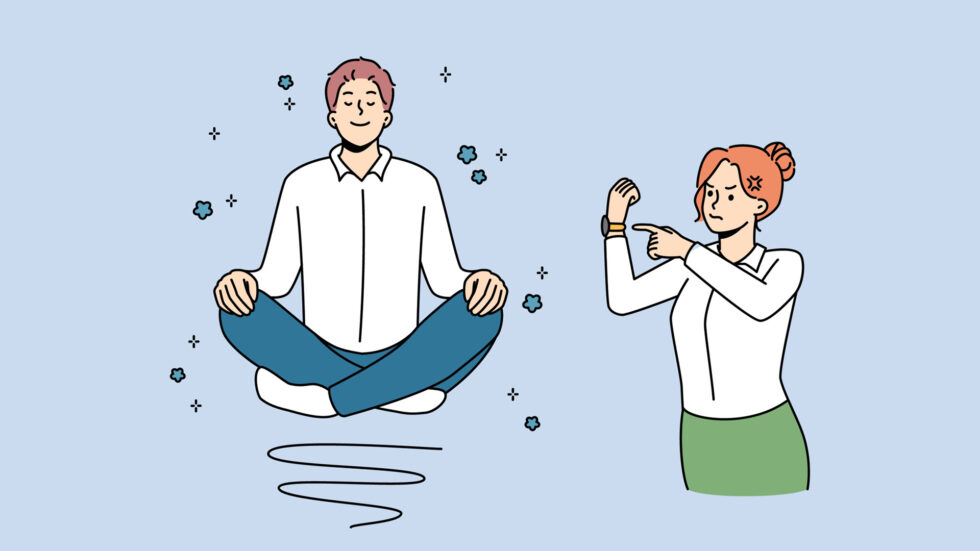
Stress is a common experience that can have significant impacts on our physical and mental health. When we’re under stress, our body goes into “fight or flight” mode, releasing hormones like cortisol that can lead to increased blood pressure and heart rate. In the long term, chronic stress can contribute to serious health problems like obesity, heart disease, and anxiety disorders.
Nutritionists recommend a healthy diet and lifestyle as one of the best ways to manage stress levels. But what does that look like? Here are some tips for eating and living in a way that helps your body manage stress more effectively.
The physical effects of stress on the body
Stress is no joke – it can take a toll on your physical health in serious ways. Stress can cause an array of unpleasant symptoms such as headaches, muscle tension, fatigue, and even chest pain. It plays an especially important role in mental health issues like anxiety and depression. Studies have shown that certain hormones released during times of stress cause the body to fight or flee; often with real physical responses like increased heart rate or sweating. This response is meant to protect us but too much of it has been linked to an increase in unhealthy behaviors like overeating and substance abuse. Unfortunately, many of us are unaware of the true physical effects of stress which makes it hard to address properly. If you think you may be under too much stress, it’s important to seek help from a health professional and look for ways to reduce stress levels.
How to manage stress through diet and exercise
Eating right and exercising regularly is a great ways to manage stress in your life. Start by eating a whole foods diet with plenty of fruits and vegetables, lean proteins, and healthy fats like avocado, olive oil, and nuts. Incorporating complex carbohydrates helps too – these include whole wheat bread, quinoa, brown rice, and legumes. Make sure to cut out processed sugars as much as possible. As for exercise, take it slow at first if you’re not used to working out! Start with low-intensity cardio such as power walking or even yoga to get your body warmed up before progressing onto more strenuous activities like running or weightlifting. With some dedication and patience, you should soon start seeing results in both your physical AND mental well-being.
The importance of relaxation techniques in managing stress
Stress is such an inevitable part of life today and can have a wide-ranging impact on us physically, mentally, and emotionally. One of the best ways to manage it is through relaxation techniques; activities like mindfulness meditation, yoga, deep breathing, and progressive muscle relaxation are just some of the methods which can help us to stay calm in the face of challenging circumstances. Relaxation techniques provide a space for us to shut out external distractions and let go of unnecessary tension – if practiced regularly they can go a long way in helping to reduce stress levels. They are also a much more pleasant (and potentially healthier) option than using alcohol or drugs as a means of calming down! So why not try out any one (or all!) of these relaxation techniques next time you feel stressed? It might just be the key to more peaceful days ahead.
The link between stress and mental health
Stress can have a significant impact on our mental health, and often times it’s hard to recognize the signs that stress is having a negative effect. When we’re feeling overwhelmed or under pressure, it can be easy to ignore the physical, emotional, and cognitive symptoms of stress. But keeping an emotional register of how we feel — especially when faced with a particularly trying day– can help us assess sources of stress and begin to find ways to cope. If not addressed in time, stress can manifest into major complications for our mental well-being – from depression and anxiety to difficulty sleeping and concentration issues. Taking the time to monitor your own moods and take steps accordingly is key to staying ahead of potentially serious issues caused by high levels of stress.
Tips for reducing stress in your life
Reducing stress in your life can seem daunting, but it is surprisingly achievable with a few simple steps. Try making time for yourself to relax and unwind – this could include things like going for a walk, reading a book, or having a leisurely bath. Make sure you engage in activities that make you happy and take some of the pressure off yourself. Exercise can be great for managing stress levels too; it helps your body release endorphins and improves your mood. Lastly, if the feelings of stress become overwhelming, reach out to people who care about you! Society can be competitive and full of pressures so allow yourself to share these burdens with close friends or family who will be willing to listen and provide support.
Stress is a response to pressure from the outside world and it can have physical, mental, and emotional effects on our bodies. To manage stress, we need to be proactive about relaxation techniques and make diet and exercise choices that support our body’s natural ability to heal itself. These five tips for reducing stress in your life are just a starting point – remember that what works for one person may not work for another so experiment until you find what helps you relax and de-stress. Do you have any other tips for managing stress? Share them with us in the comments below!