Reading Food A Guide For Health Minded Consumers
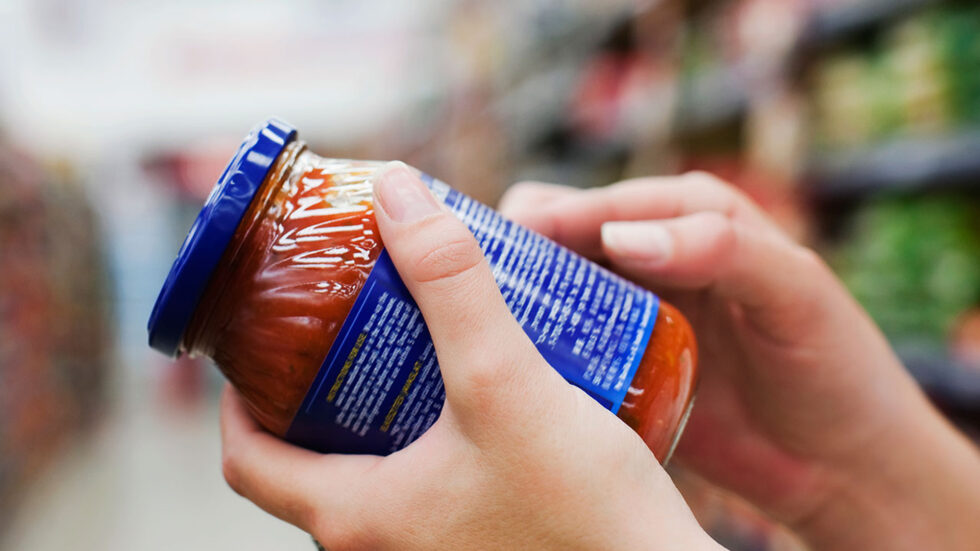
With an increasing focus on health and wellness, many consumers are paying closer attention to the ingredients and nutritional information listed on the food packaging. However, for those who are not familiar with the terminology used on food labels, it can be challenging to understand what exactly they are consuming. In this blog, we will guide you through the basics of food labeling and help you understand what to look for when reading food labels.
Ingredients List
The ingredients list is typically located on the back of the food packaging and lists all the components of the product in descending order by weight. It is important to note that the first three ingredients make up the bulk of the product, so if sugar, salt, or unhealthy fats are listed near the top, it’s a good indication that the product is high in these components.
Nutrition Facts
The nutrition facts panel provides information about the calorie content, macronutrients (carbohydrates, proteins, and fats), and micronutrients (vitamins and minerals) in a serving of food. It is essential to understand the serving size listed, as the nutrition information provided is based on the specified amount, which may be smaller or larger than what you typically consume.
Calories: The number of calories listed is the amount of energy that a serving of the food provides. This information is useful for those who are trying to manage their weight or calorie intake.
Macronutrients: The macronutrient information listed is the number of carbohydrates, proteins, and fats per serving. It’s essential to understand that not all carbs, proteins, and fats are created equal, so it’s crucial to look at the type of macronutrient, not just the amount.
Micronutrients: The micronutrient information lists the number of vitamins and minerals per serving, such as vitamin C, iron, and calcium. This information can be useful for those who are trying to meet their daily recommended intake of essential nutrients.
Percent Daily Value (%DV)
The percent daily value (%DV) is a reference value that indicates the proportion of a daily recommended intake that a serving of the food provides. For example, if a food has a %DV of 20% for sodium, it means that one serving of the food provides 20% of the recommended daily intake of sodium. This information can be useful for those who are trying to limit their intake of certain nutrients, such as sodium or saturated fat.
Added Sugars
In recent years, there has been a growing concern about the impact of added sugars on health. As a result, food labels now include information about the amount of added sugars in a serving of food. Added sugars are sugars and syrups that are added to foods during processing and preparation, and are different from naturally occurring sugars found in fruits and dairy products. It’s essential to limit the intake of added sugars, as excessive consumption has been linked to several health problems, including obesity, type 2 diabetes, and cardiovascular disease.
Food Allergen Labeling
For those with food allergies or sensitivities, it is essential to pay close attention to the ingredients list, as even small amounts of certain allergens can cause a reaction. The Food Allergen Labeling and Consumer Protection Act (FALCPA) requires that food manufacturers clearly list the presence of the eight major allergens, which are milk, eggs, fish, crustacean shellfish, tree nuts, peanuts, wheat, and soybeans. In addition to the ingredients list, some food packaging may also include a warning statement, such as “may contain” or “manufactured in a facility that processes peanuts.” These statements indicate that the product may contain trace amounts of the allergen, even if it is not listed in the ingredients list.
Organic and Natural Labeling
In recent years, the use of “organic” and “natural” labeling on food packaging has become increasingly popular. However, it is important to understand that these labels are not regulated by the FDA and can be misleading. “Organic” products must meet specific criteria, such as being produced without the use of synthetic pesticides and fertilizers and must be certified by the USDA. On the other hand, “natural” products do not have a specific definition, and the term can be used by manufacturers to describe products that are minimally processed and contain no artificial ingredients.
Food Labels and Health
In conclusion, understanding food labels and ingredients is crucial for health-conscious consumers. By taking the time to read the ingredients list, nutrition facts, and %DV, you can make informed decisions about the foods you consume and ensure that you are getting the nutrients your body needs. Additionally, paying attention to food allergen labeling, organic and natural labeling, and added sugars can help you manage specific health concerns and make healthier food choices.
In today’s fast-paced world, it’s easy to grab pre-packaged foods and not give much thought to what’s in them. However, by taking a few minutes to understand food labels, you can make healthier food choices and achieve your health and wellness goals. Remember, knowledge is power, and with a little bit of effort, you can take control of your health and nutrition.