The Benefits Of Eating Whole Foods
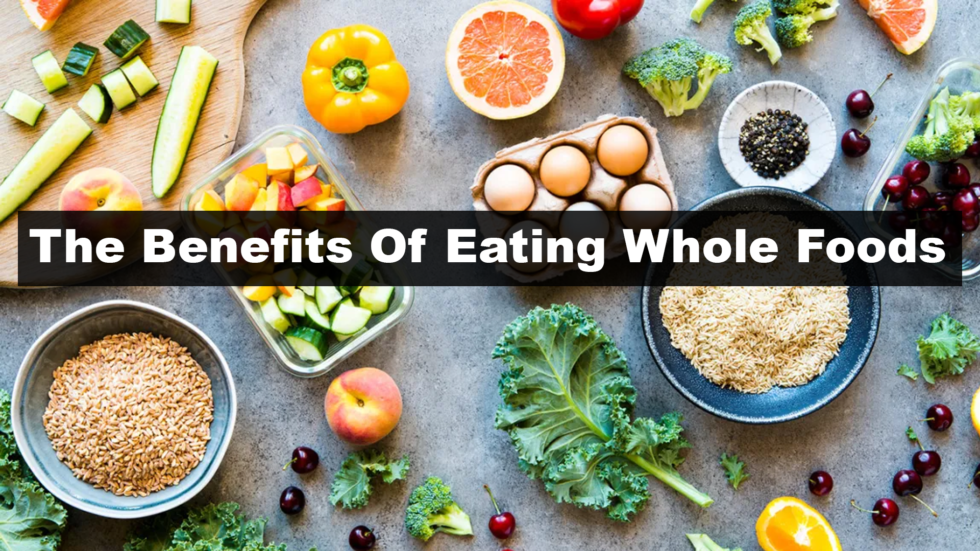
If you’re like most people, you probably think of “healthy eating” as consuming fewer calories and making sure to get your daily quota of vitamins and minerals. While these are important aspects of a healthy diet, they’re not the whole story. Eating whole foods is just as crucial for maintaining good health.
Whole foods are defined as foods that have been minimally processed and are free from artificial additives. By contrast, processed foods have been stripped of their natural nutrients and often contain unhealthy ingredients like added sugars, sodium, and trans fats.
There are many benefits to eating whole foods, including improved digestion, increased energy levels, and better blood sugar control. In addition, whole foods provide essential vitamins and minerals that our bodies need to function properly.
So next time you’re at the grocery store, make sure to fill your cart with plenty of delicious and nutritious whole foods!
Whole foods and their benefits
Eating whole foods is one of the best decisions you can make for your health. Unlike processed foods, whole foods come straight from nature and provide a variety of important vitamins, minerals, and other essential nutrients our bodies need. Eating whole foods also helps us avoid harmful additives that are commonly found in processed food. Not only that, but eating wholesome substances like fruits, vegetables, legumes, nuts, and grains can boost immunity, regulate hormones, and helps keep our metabolism working properly. Making an effort to include plenty of whole foods into our diets is a great way to stay healthy both now and in the future.
How eating whole foods can improve your health
Eating whole foods can be beneficial to your health in more ways than one. By eating more natural and unprocessed foods, you can get the vital nutrients your body needs to function optimally. When you eat whole foods, you are supplying your body with a variety of minerals, vitamins, and other essential nutrients that will help keep it healthy. Eating more fruits and vegetables has been shown to reduce the risk of disease, maintain weight loss and improve mental clarity. Whole foods provide an abundance of phytonutrients that work on a cellular level to protect us from illnesses and accidents. The key is to identify nutritious whole food sources and build meals around them that are enjoyable for your taste buds as well as your health.
Some of the best whole foods to eat for optimal health
Eating whole foods is one of the best ways to optimize health. Whole foods are foods that are unprocessed and have no artificial additives. They are rich sources of fiber, vitamins, minerals, antioxidants, and other plant compounds which can provide major health benefits. Some of the best whole foods include fruits, vegetables, legumes, nuts and seeds, eggs, whole grains such as quinoa and brown rice, dairy products like Greek yogurt and cheese, fish, and lean meats. All these ingredients come together to create meals that promote satiety while preventing cardiovascular issues and diabetes-related complications. Incorporating a variety of these whole foods into your diet is key for optimal wellness.
How to incorporate more whole foods into your diet
Incorporating more whole foods into your diet can be an incredibly rewarding experience. For those looking to be healthier, start by taking inventory of what’s available at the grocery store or farmers market and go from there! Take some extra time each week to meal-plan and plan to cook a few big dishes that you can enjoy throughout the week. That way you will have access to fast and delicious meals when needed. Additionally, aim to include a variety of fruits and veggies in your diet. You can also substitute items that are higher in saturated fats with lean proteins, whole grains, and plant-based proteins such as lentils, beans, and quinoa for a balanced meal. With preparations, moderation, and commitment you can easily incorporate more whole foods into your diet with success.
Tips for making healthy meals with whole foods
Eating healthy meals doesn’t have to be complicated or expensive. With the right ingredients, you can make delicious and nutritious meals with wholesome whole foods — like vegetables, lean proteins like turkey or fish, and whole grains such as quinoa, oats or brown rice. It can help to plan out your meals for the week ahead so that you always have easy and healthy options on hand. When grocery shopping, opt for fresh produce instead of processed items to keep your meals natural and flavorful. Cooking from scratch may seem intimidating but there are plenty of simple recipes available online; many don’t require any fancy tools/gadgets that you might not already have in your kitchen. Above all else, remember to enjoy the process; take your time in the kitchen and savor each meal!
Now that you know all about the benefits of whole foods and how they can help improve your health, it’s time to start incorporating more of them into your diet. Luckily, there are plenty of delicious and healthy recipes out there that use whole foods as their main ingredients. To get started, try swapping out processed snacks for natural ones like fruits and nuts, or opt for a big salad at lunch instead of a sandwich. With a little bit of effort, you’ll be eating nothing but whole foods in no time!