The Role Of Viitamins And Minerals In The Body
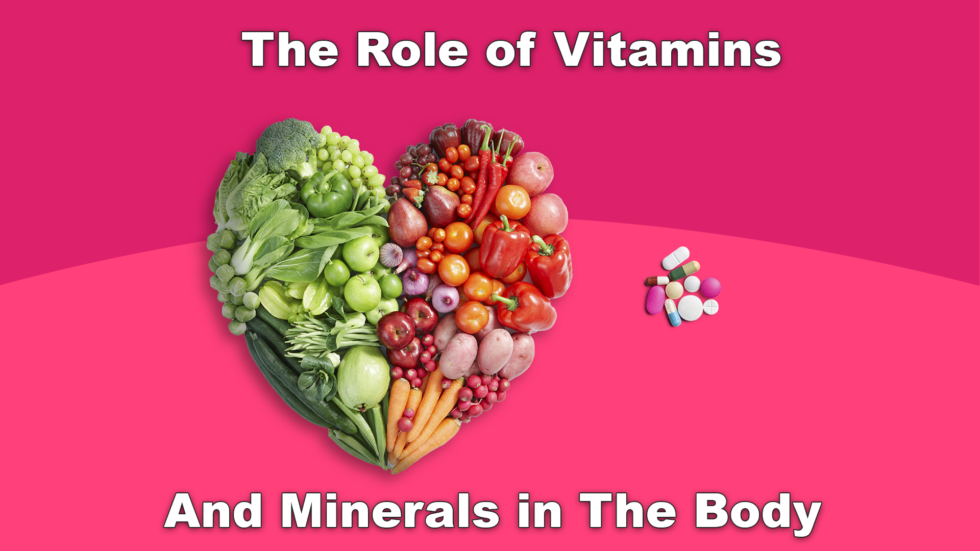
Vitamins and minerals are essential nutrients that play a vital role in maintaining our overall health and wellness. These micronutrients are required in small amounts but have a big impact on the functioning of our body. They are involved in various physiological processes and perform tasks like boosting our immunity, supporting cell growth, repairing tissues, and aiding in the proper functioning of our hormones, enzymes, and metabolic pathways. Let’s take a closer look at some of the important vitamins and minerals and their specific functions in our body.
Vitamin A: Vitamin A is a key nutrient for achieving optimal wellness, from its role in protecting vision to aiding cell development. It’s essential for maintaining healthy skin and immunity, ensuring you look and feel your best every single day.
Vitamin B: Vitamin B is the energizer bunny of vitamins – it’s vital for keeping your energy levels up, supporting a healthy heart and brain, as well as allowing your nervous system to send messages like clockwork. Without adequate intake of this amazing nutrient complex, our bodies would quickly grind to a halt.
Vitamin C: Vitamin C is an essential nutrient that gives your body the power to protect itself from harsh environmental factors and keep your immune system strong. Not only does it defend against damage, but also enables you to reap maximum benefit from plant-based foods by aiding in iron absorption.
Vitamin D: Vitamin D is essential for keeping your bones healthy – it helps the body to absorb calcium and gives your immune system an extra boost. Plus, not only does Vitamin D aid in bone growth but also has anti-inflammatory powers!
Vitamin E: Vitamin E is a powerful defender of your body, working like an antioxidant superhero to protect cells from damage and keep skin and eyes looking healthy.
Calcium: Calcium is a mineral that is essential for building and maintaining strong bones and teeth. It also plays a role in muscle function and blood clotting.
Iron: Iron is a mineral that helps transport oxygen in the blood and supports a healthy immune system. It is also necessary for the production of hemoglobin, the protein that carries oxygen in the blood.
Magnesium: Magnesium plays a role in many bodily processes, including muscle and nerve function, regulating blood sugar levels, and maintaining healthy bones.
Zinc: Zinc is an essential mineral that plays a role in immune function, wound healing, and the sense of taste and smell.
Vitamin B12: Vitamin B12 is important for proper red blood cell development and the functioning of the nervous system. It also helps with energy levels and metabolism, as well as DNA synthesis. A lack of vitamin B12 can lead to anemia, fatigue, and nerve damage. Good sources of vitamin B12 include liver, beef, salmon, shellfish, milk, and fortified cereals.
It’s important to note that a balanced and varied diet can provide all the necessary vitamins and minerals for optimal health. However, if you’re concerned about a specific deficiency or have a health condition that affects your nutrient absorption, it’s always best to consult a healthcare provider. They can recommend the best supplements or diet changes to ensure that you get all of your essential nutrients.
In conclusion, vitamins and minerals play a crucial role in maintaining our overall health and wellness. From boosting our immunity to supporting cell growth and repairing tissues, they are essential to the proper functioning of our body. So, make sure to include a variety of nutrient-rich foods in your diet and talk to your healthcare provider if you’re concerned about a specific deficiency.