Why What You Eat Matters
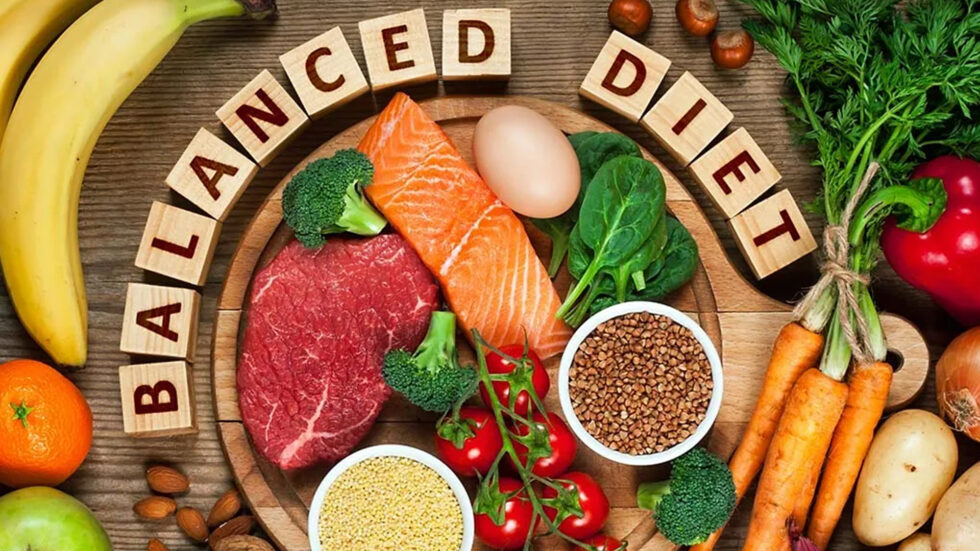
The importance of a balanced diet
Eating a balanced diet is an essential part of maintaining good health and wellness. With the fast-paced lifestyle that many of us lead, it can be easy to rely on convenience foods and miss out on important nutrients. However, the food we eat plays a crucial role in how we feel, both physically and mentally. In this blog, we will explore the importance of a balanced diet, what it means, and how to achieve it.
What is a balanced diet?
A balanced diet refers to a diet that includes a variety of different foods from all the food groups in the right proportions. This includes a combination of carbohydrates, protein, healthy fats, fiber, vitamins, and minerals. The key to a balanced diet is to consume a variety of foods to ensure that you are getting all the essential nutrients your body needs to function properly.
Why is a balanced diet important?
Maintains energy levels: A balanced diet provides the body with the energy it needs to function efficiently. This is because a balanced diet includes the right combination of carbohydrates, protein, and healthy fats, which help to maintain stable blood sugar levels.
Supports overall health: A balanced diet helps to support overall health by providing the body with essential vitamins, minerals, and nutrients it needs to function properly. This can help to reduce the risk of developing chronic diseases such as heart disease, diabetes, and certain types of cancer.
Aids in weight management: Eating a balanced diet can also help to maintain a healthy weight. This is because a balanced diet includes a variety of foods that are nutrient-dense and low in calories, helping you to feel full for longer.
Boosts mental health: A balanced diet is also essential for maintaining good mental health. Studies have shown that a diet rich in fresh fruits, vegetables, and healthy fats can help to improve mood, reduce stress and anxiety, and enhance cognitive function.
Supports the immune system: A balanced diet is crucial for supporting the immune system, which helps to protect the body from infections and illnesses. Foods rich in vitamins and minerals, such as citrus fruits, leafy greens, and berries, can help to boost the immune system and reduce the risk of infections.
How to achieve a balanced diet
Eat a variety of foods: To achieve a balanced diet, it’s essential to eat a variety of different foods from all the food groups. This includes carbohydrates, protein, healthy fats, fiber, vitamins, and minerals.
Include plenty of fruits and vegetables: Fruits and vegetables are an important part of a balanced diet as they are rich in essential vitamins and minerals. Try to include at least five portions of fruits and vegetables in your diet each day.
Choose a lean protein: Lean protein sources, such as chicken, fish, and beans, are an important part of a balanced diet as they help to maintain muscle mass and support the immune system.
Limit processed foods: Processed foods are often high in sugar, salt, and unhealthy fats, which can contribute to weight gain and an increased risk of chronic diseases. Try to limit your intake of processed foods and choose whole, nutrient-dense foods instead.
Stay hydrated: Staying hydrated is an important part of a balanced diet. Aim to drink at least 8 glasses of water a day, and limit your intake of sugary drinks.
Limit alcohol intake: Excessive alcohol consumption can contribute to weight gain and an increased risk of chronic diseases. It’s recommended to limit your alcohol intake to no more than one drink per day for women, and two drinks per day for men.
Control portion sizes: Eating large portions of food can contribute to weight gain and an imbalanced diet. To control portion sizes, use smaller plates, eat slowly, and avoid distractions while eating.
Avoid skipping meals: Skipping meals can cause your blood sugar levels to drop, leading to fatigue and decreased energy levels. To maintain a balanced diet, it’s important to eat regular meals and snacks throughout the day.
Choose healthy fats: Healthy fats, such as those found in nuts, seeds, and avocados, are an important part of a balanced diet. They help to support heart health, improve brain function, and provide a source of energy.
Consult a healthcare professional: If you have any specific health concerns or dietary restrictions, it’s important to consult with a healthcare professional. They can help you to create a balanced diet that meets your individual needs.
In conclusion, a balanced diet is an essential part of maintaining good health and wellness. By eating a variety of different foods from all the food groups, you can ensure that your body is getting all the essential nutrients it needs to function properly. Remember to control portion sizes, limit processed foods, and consult a healthcare professional if needed. By making small changes to your diet, you can start to see a positive impact on your overall health and well-being.