Top Gaming Addiction Signs Symptoms And Treatment
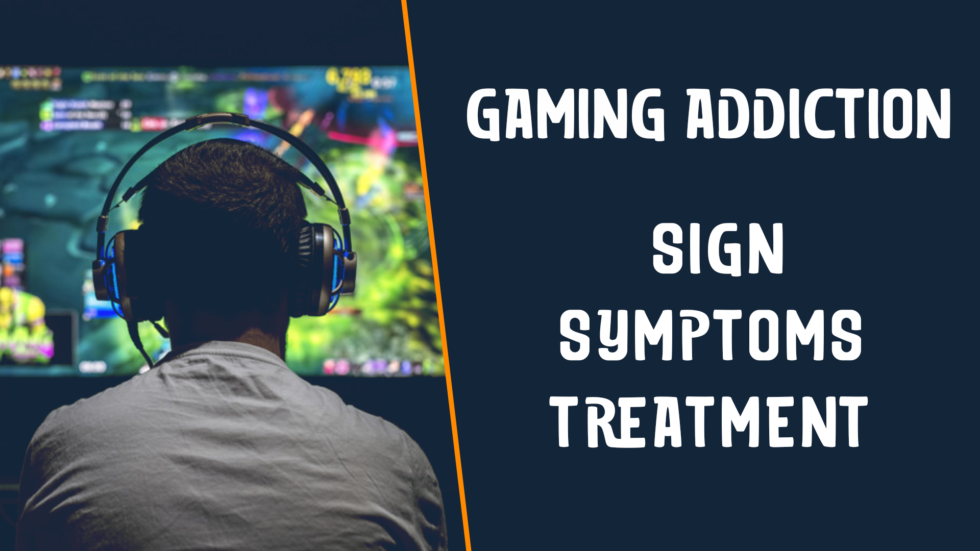
Gamers, have you ever felt like you just can’t stop playing? Do you find yourself sacrificing real-life activities in order to game? If so, you may be addicted to gaming.
While addiction of any kind is serious, gaming addiction can have some unique effects. Today, we’ll explore the psychology behind gaming addiction, including some signs and symptoms to watch out for. We’ll also talk about treatment options if you think you might be addicted. So let’s get started!
Defining gaming addiction and its symptoms
Gaming addiction is an unhealthy obsession with playing video games, and it can be just as destructive to the mind and body as any other addiction. Studies have shown that people addicted to gaming will experience withdrawal symptoms when they’re not able to game, similar to those seen in drug addicts while going through detox. They may also suffer from anxiety and depression, or suffer from poor physical health due to the amount of time spent gaming instead of engaging in healthy activities such as exercise and socializing. It can also lead to a lack of productivity and underachieving in school, work, or other life goals which can affect an individual’s future prospects significantly. If you think you or someone else may be suffering from gaming addiction, it’s important to address this issue early by seeking therapy or help from specialized clinics dealing with addictions.
The psychological factors that contribute to gaming addiction
We all know that video games can be an incredibly fun and rewarding way to pass the time, but more and more often we are seeing these activities turn into unhealthy obsessions. Gaming addiction is a very real reality, and there are certain psychological factors that can contribute to its formation — among them, the need for social acceptance, a desire for instant gratification or rewards, avoidance of negative feelings such as isolation or boredom, and even escapism from difficult family dynamics or traumatic events. It’s important to be aware of the potential pitfalls of flirting with gaming addiction so that you don’t lose yourself in this pursuit.
Treatment options for those struggling with gaming addiction
Watching your loved ones struggle with gaming addiction can be heartbreaking, and anyone dealing with a gaming addiction can benefit from seeking treatment. Fortunately, there are a variety of existing treatment options for this condition. Cognitive Behavioral Therapy (CBT) is one popular approach that aims to help patients recognize unhealthy thinking patterns and behaviors associated with their gaming addiction. It also addresses underlying feelings of depression or anxiety, which may contribute to the problem. Other treatments include spending more time outdoors in nature or engaging in therapeutic activities such as yoga or mindfulness practices. Seeking professional help from an addiction counselor can also be highly beneficial, providing guidance and support through individualized therapy sessions. Mental health professionals can assess and diagnose these problems accurately and recommend the best treatment plan for each situation.
How to prevent gaming addiction in the first place
Playing video games can be an enjoyable pastime, but it´s all too easy for them to become addictive. To prevent gaming addiction before it starts, moderators and parents should ensure that players don’t devote too much time or energy to gaming since this encourages compulsive behavior. Parents should pay attention to the type of games their children are playing, as well as their frequency and duration of play. In multiplayer online games, moderators should be vigilant about watching out for signs of addictive behavior by monitoring language and behavior in-game chats, as well as considering time limits. Finally, gamers themselves need to be aware of how they are feeling when they play – if gaming causes severe frustration, isolation, or anger then maybe it’s better to log off and focus on something else.
Resources for those who think they might be addicted to games
If spending too much time on your favorite game has started to concern you, there are a few reliable resources available to help. One great option is seeing a counselor or psychologist, as they’re equipped to provide professional advice and talk therapy tailored to your needs. There are also support groups that can be found online, which allow individuals to share experiences and offer mutual support in addressing problematic behavior. Additionally, free online and app-based programs have been developed by universities and research centers around the world to assist with managing game use, plus tips for healthier gaming habits going forward. Taking responsibility for our game use can be intimidating, but with the right help, it certainly does not have to be overwhelming.
Through this blog, we have explored gaming addiction in-depth; from defining the addiction and looking closely at the psychological factors that lead to it, to discussing available treatment options, and preventive measures, and providing resources for those who suspect they might be affected by gaming addiction. All in all, although the symptoms associated with gaming addiction can be alarming and impede progress in life, they are also manageable. With the right support system, guidance, and a positive environment, recovery is possible even if a relapse happens a few times along the way. If someone you care about or yourself thinks you may be addicted to games, don’t hesitate to reach out to professionals or any of the reliable sources mentioned here. Although gaming addiction can cause serious distress mentally and physically, help is out there so don’t ever hesitate to take control of your well-being.